Mindful Coloring & Neuro Art for Calm, Focus, and Creative Self-Exploration
Imagine if a microdose of just 20 minutes of daily doodling and coloring could help you feel calmer, clearer, and more connected to yourself.
Well, research suggests that it can.Microdose Neuro Art is a guided visual experience designed to slow the mind and gently transition you into a more focused, relaxed, creative state — and no artistic talent is required.
Microdose Neuro Art is a guided mindful coloring and doodling practice. Each page starts as a simple black-line illustration — you add lines, round the intersections, add color, and reflect. No artistic background needed.
Peek Inside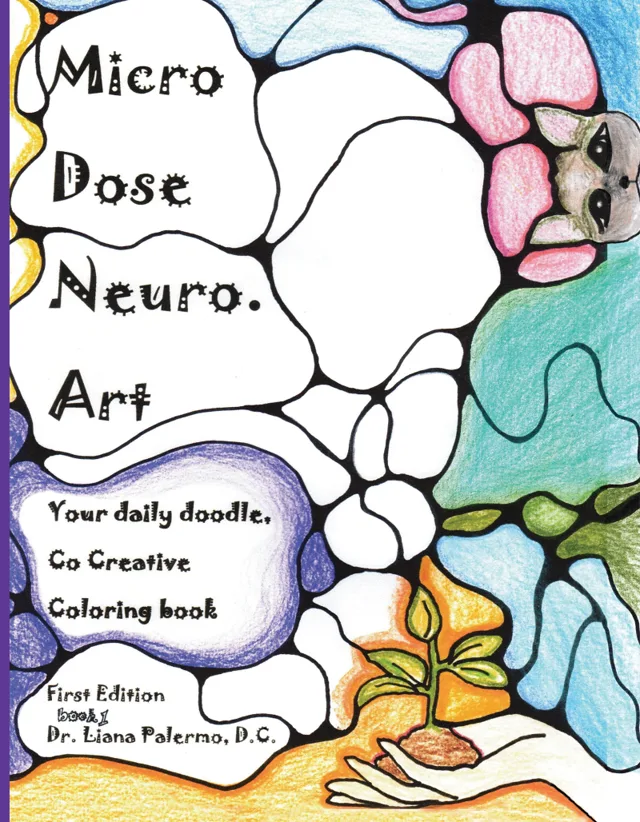
Peek Inside
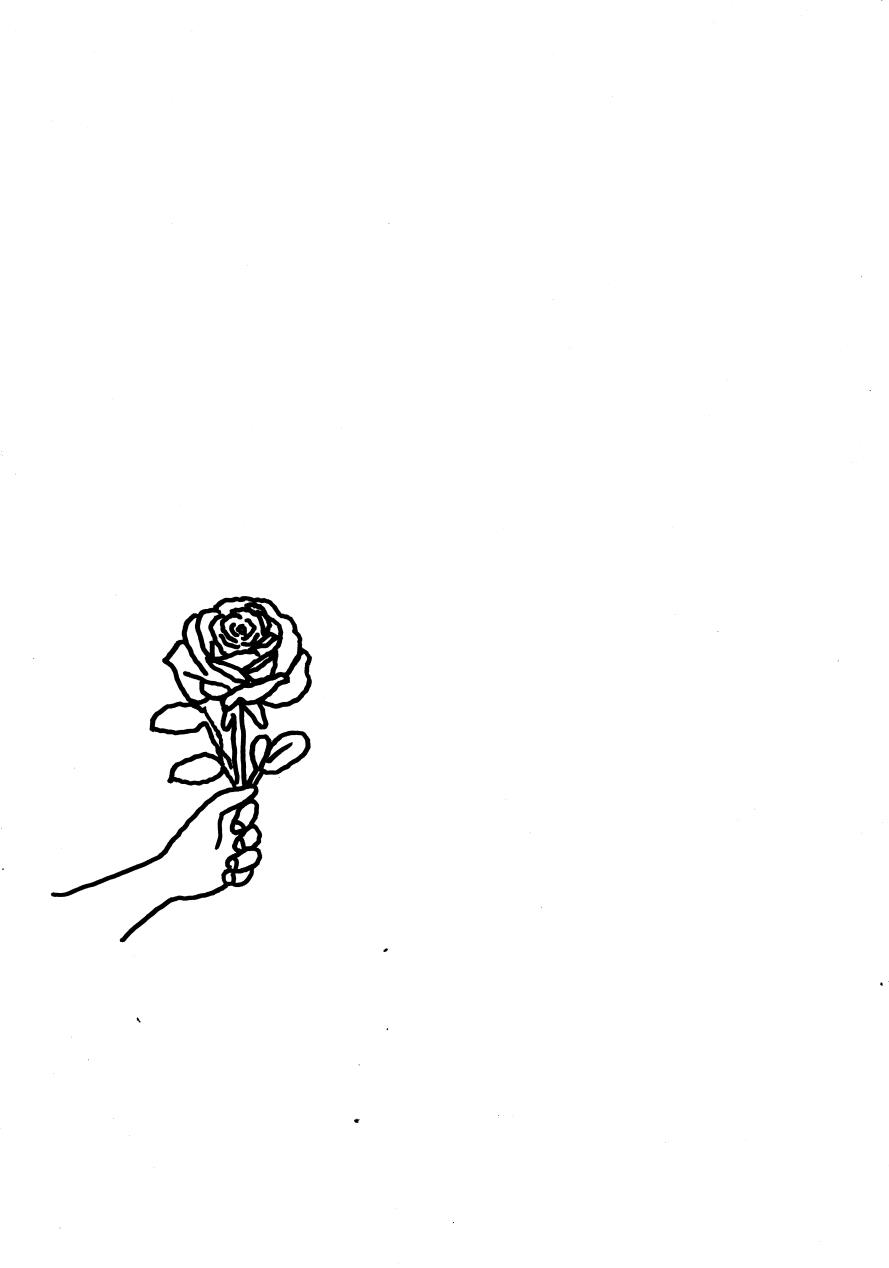
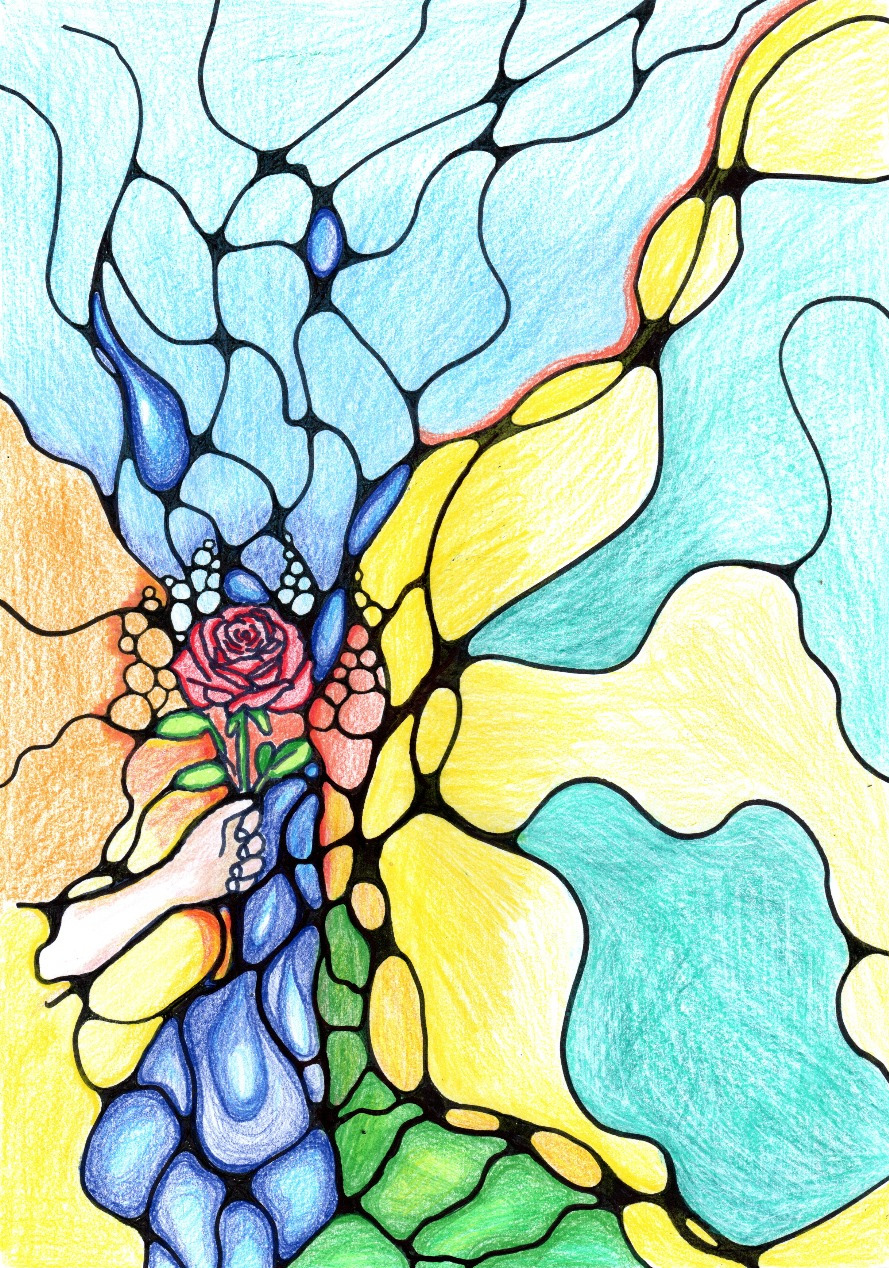
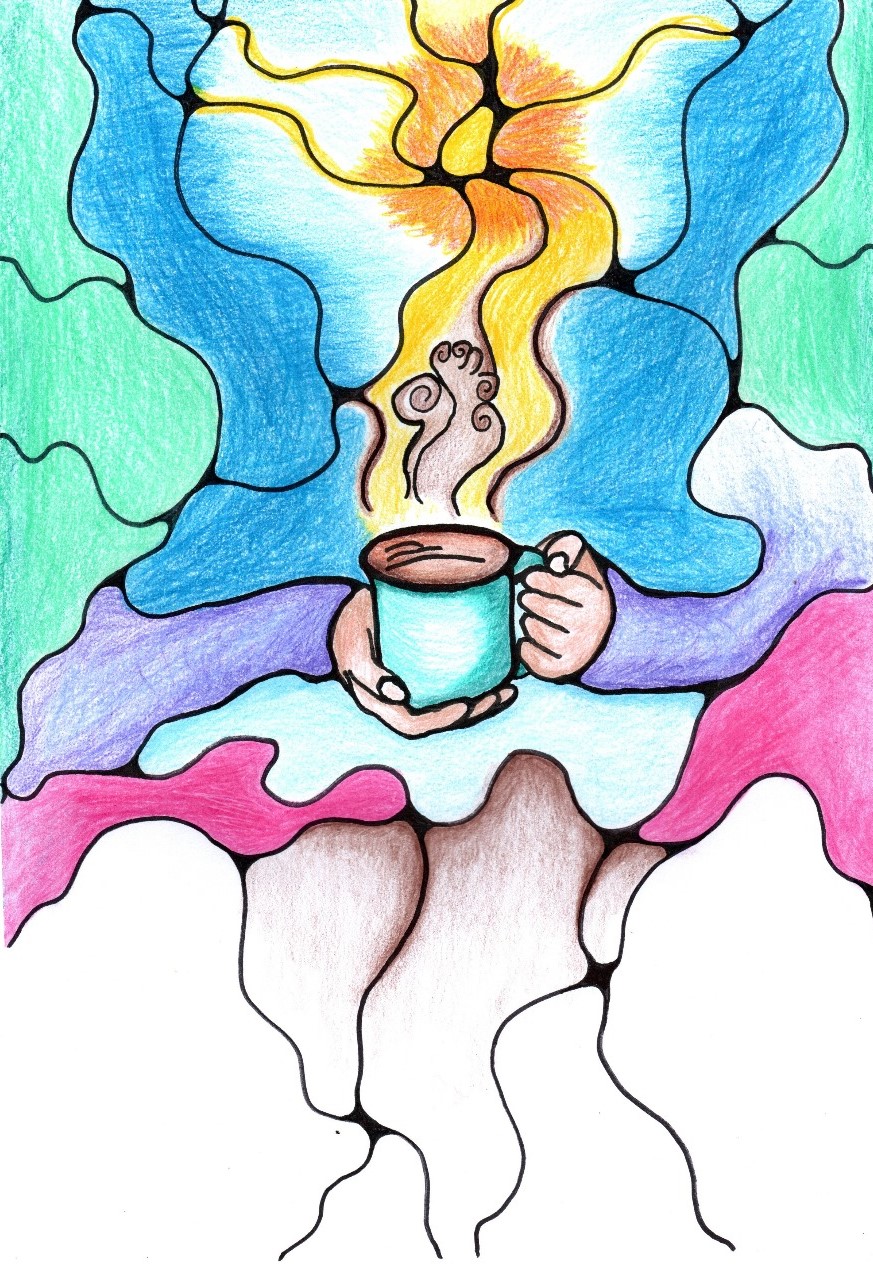
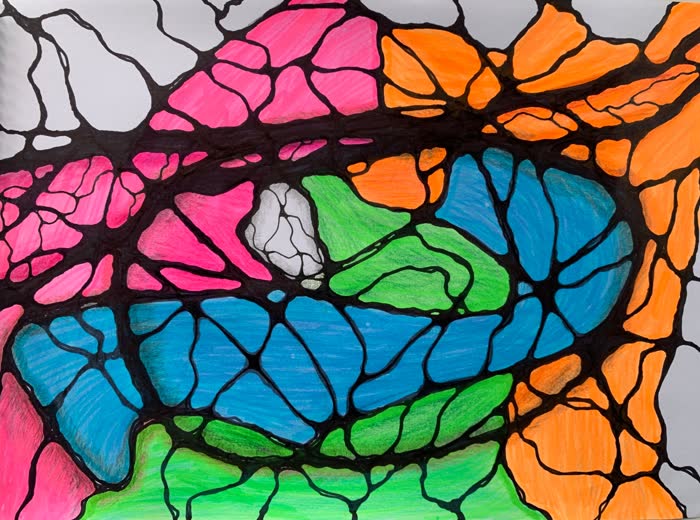
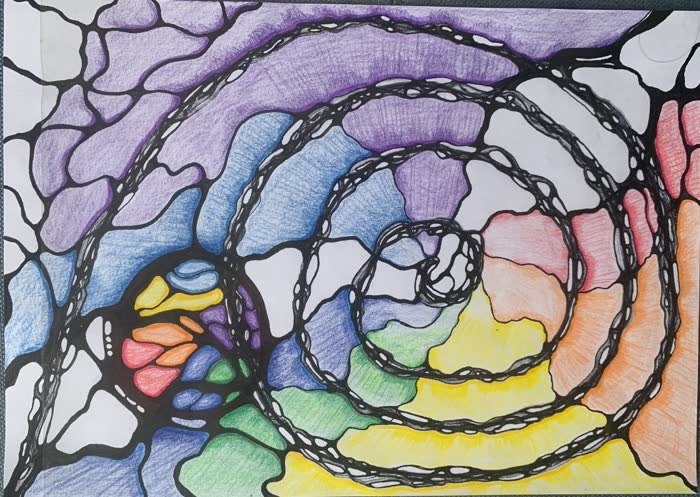
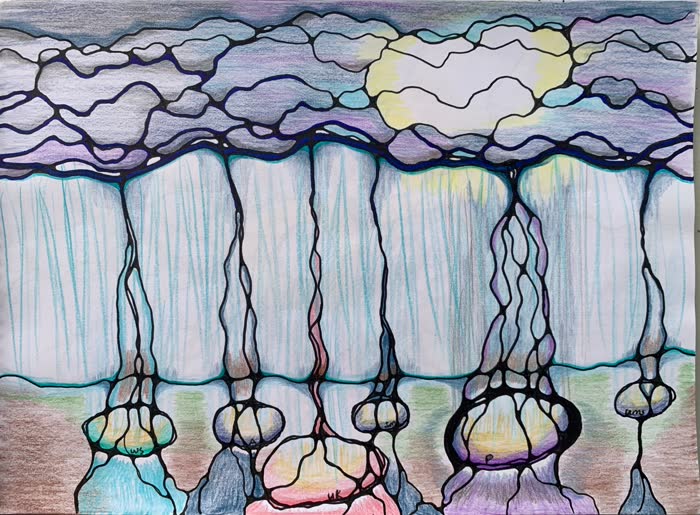
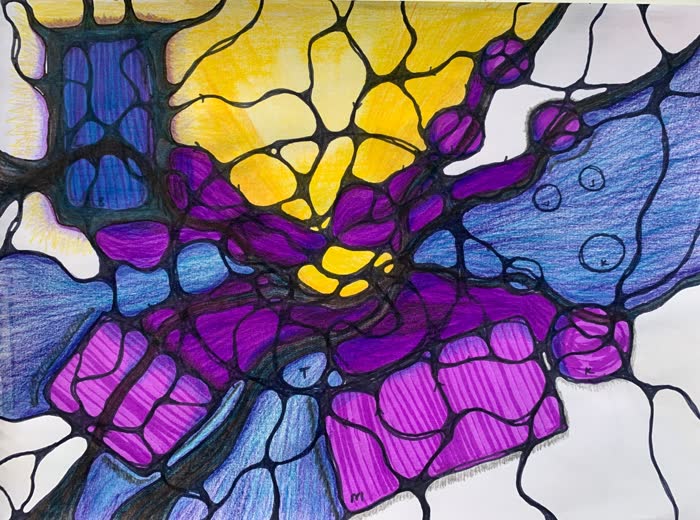
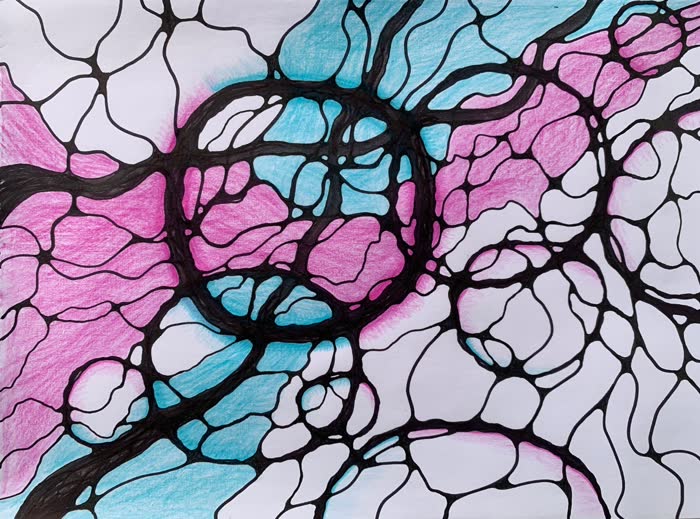
Each page begins as a simple black line illustration. As you add your own lines to create the "coloring book effect", then round the intersections, add color and reflect, you experience the shift in your nerve system.
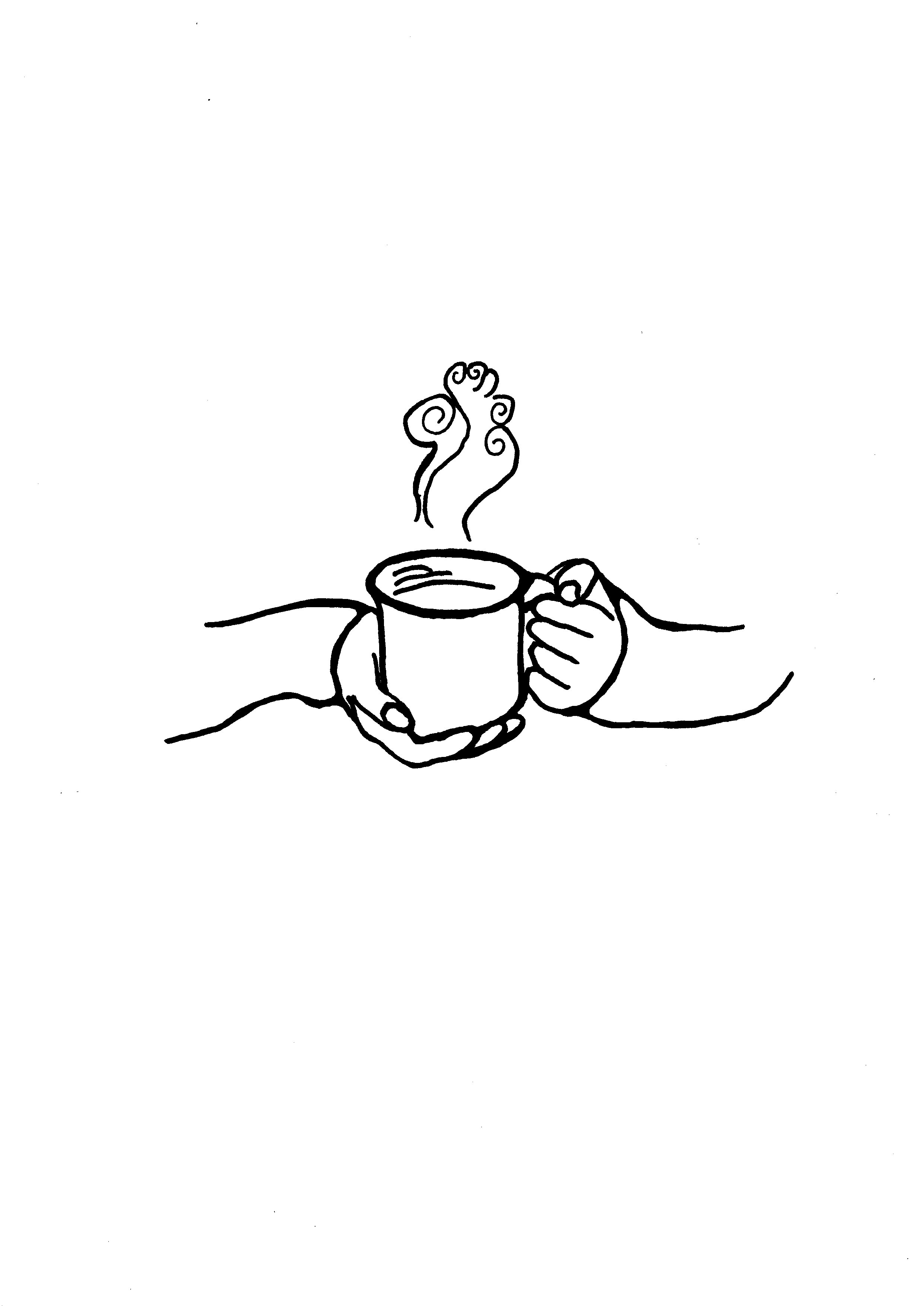
The black & white drawings below are examples of what you will see inside the book.
The colored drawings to their right are what I created from them.
Click image to Enlarge
Why Neuro Art?
It is more than just coloring — it is a structured pathway to mindfulness that bypasses the need for meditation experience or artistic skill. Explore the science behind neuro art and mindful coloring.
Neuroplasticity & Rewiring
A true "microdose" of creative engagement (20 mins/day) strengthens connections between brain regions responsible for memory and cognition. Creative practice may support the brain's natural capacity to adapt and form new connections.
Flow State & Focus
This promotes a state of presence and pulls you out of "fight, flight, fawn or freeze" mode.
Emotional Regulation
Doodling serves as a legitimate cognitive strategy to reduce "rumination" (cyclical non-productive thinking) and burnout. It is not a distraction, but a tool for processing emotions.
Connection & Oxytocin
All images are offered to promote nostalgia and warmth. They are often drawn in the first person perspective to immerse you in the experience, opening the aperture of your senses to create a wider palette of choices for health and resiliency.
Fine Motor Skills
Engaging in fine drawing and rounding stimulates brain areas responsible for hand-eye coordination. Maintaining these skills is essential as a part of what makes us and helps keep us, human!
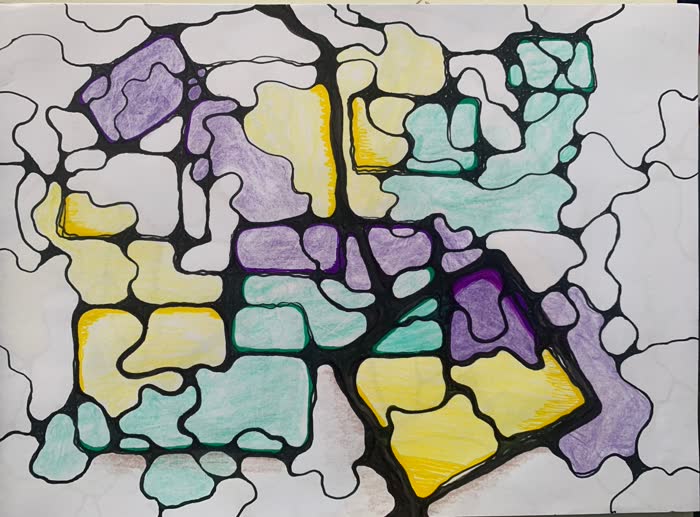
The "Second Chance" Effect
This "second-chance" image can be a gift, a practice run, or function as an experiment in drawing with two hands at once.
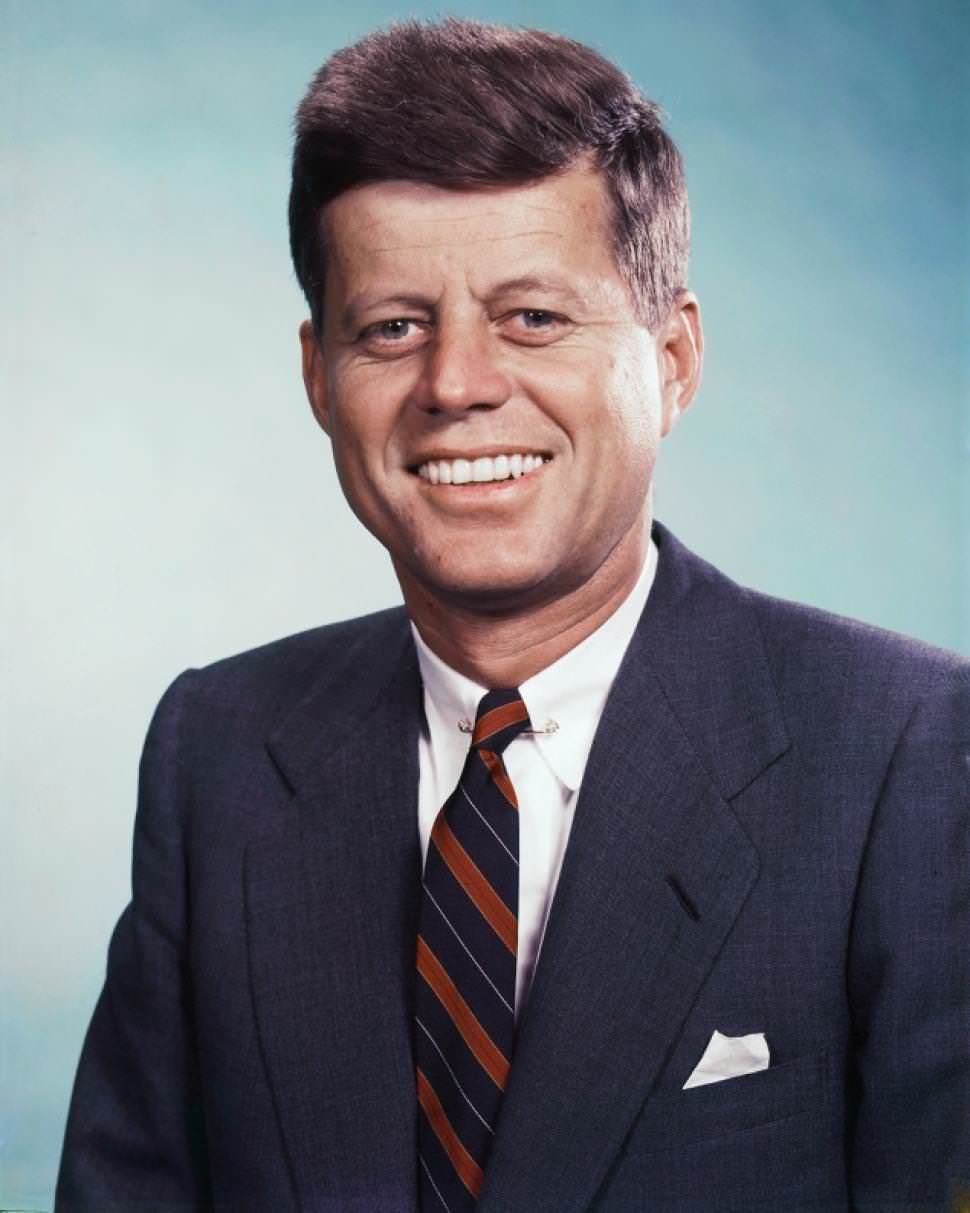
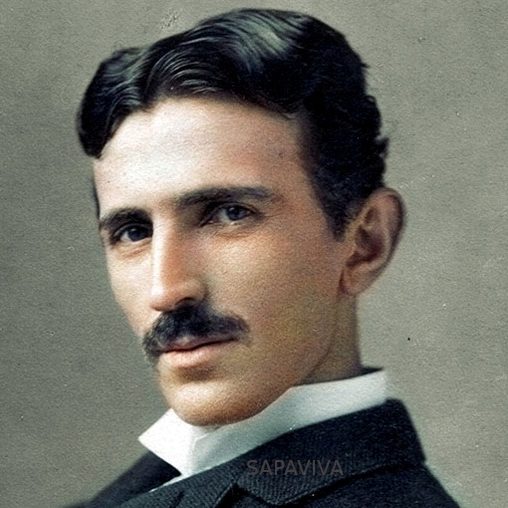
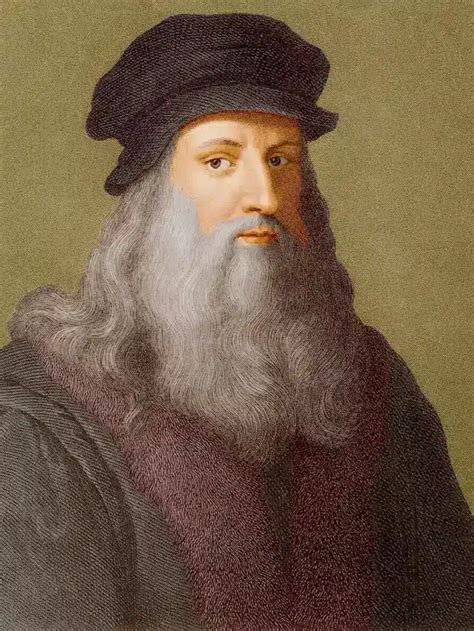
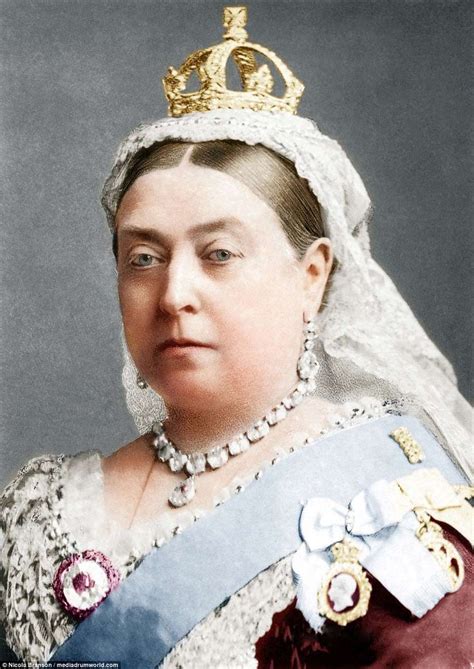
The Secret that Einstein, Curie, JFK, Tesla, Da Vinci & Queen Victoria All Knew...
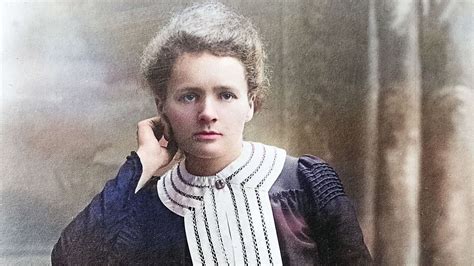
Einstein did it. So did Marie Curie, JFK, Tesla, Leonardo da Vinci, and Queen Victoria.
They all doodled.
Not as idle distraction, but as a way of thinking on paper. Scribbles, loops, and abstract lines became gateways to insights that changed the world.
And here’s the fascinating part: a growing body of peer-reviewed neuroscience research supports what history’s great minds knew intuitively—doodling and art are deeply human tools for focus and wellbeing.
Learn More
What People Are Saying
"My experience with this has been a process that allows surrender of the mind and a free flow of creativity. The idea is to not overthink it but rather allow the natural, innate, creative flow to happen!"
"As a therapist, I recommend this to my clients. The combination of structure and creative freedom is perfect for anxiety. I tried it myself and find it both soothing and enjoyable. I've never thought of myself as an artist and am delighted with what I created."
"The designs are beautiful - not too simple, not too complex. I feel genuinely clearer headed after just one page. Each of the steps challenged me to trust myself in ways that I had previously not been able to. AND it was a lot of fun."
Experience the Benefits
Order from AmazonFrequently Asked Questions
What is Microdose Neuro Art?
A guided mindful coloring and doodling practice. Each page starts as a simple black-line drawing; you add lines, round the intersections, add color, and reflect. It's made for creative relaxation — no art experience needed.
Do I need to be good at drawing?
No. It's designed for complete beginners, and there's no right or wrong result.
How long does one session take?
About 20 minutes a day.
Is this the same as neurographica?
It's related but distinct — it blends neuro-line drawing with mindful coloring and reflection.
Can I take a class?
Yes — classes run online worldwide and in person in Vilcabamba, Ecuador.